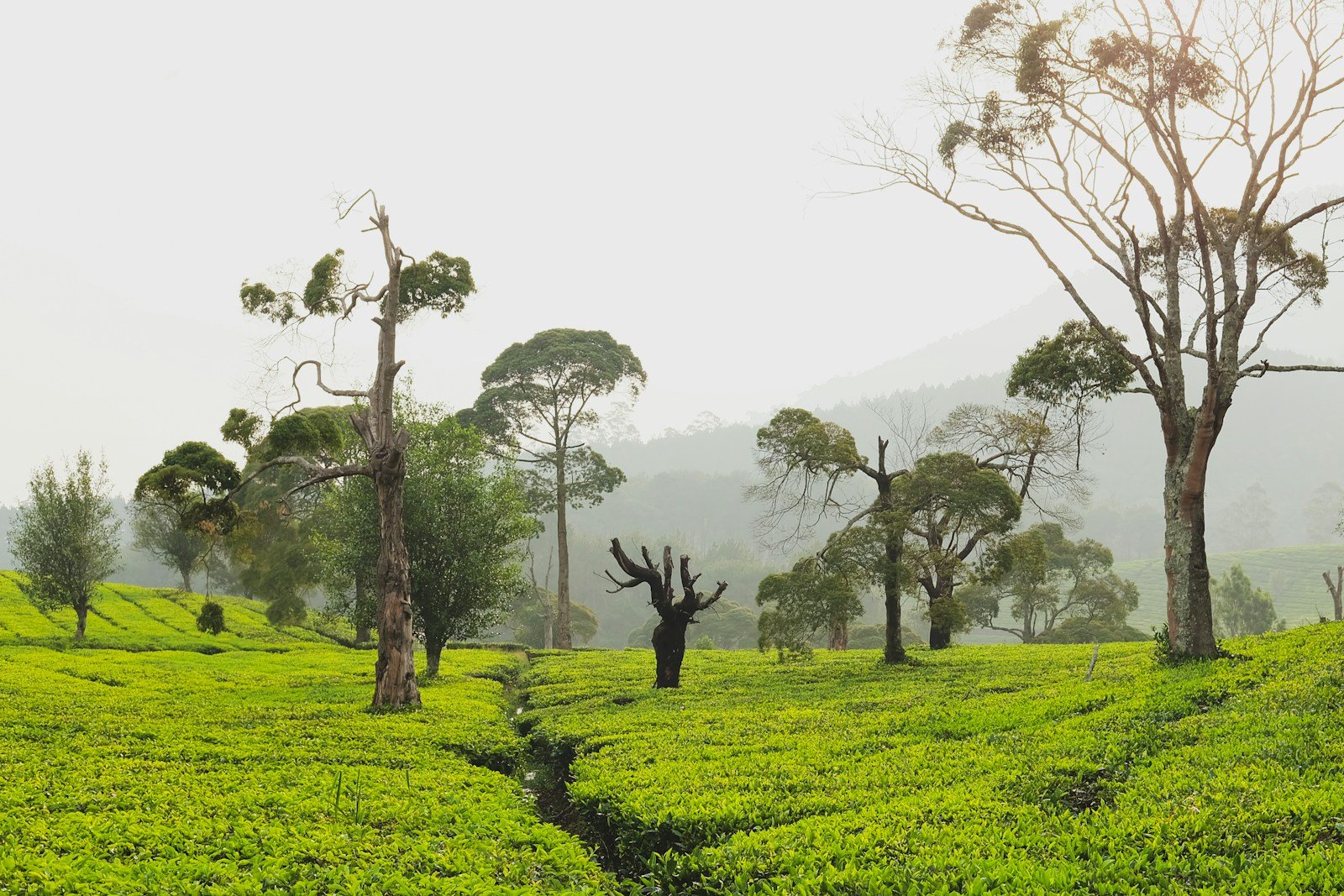
Plucking, withering, rolling, drying and grading: the journey every packet of tea takes.
The tea in your pouch started as fresh green leaves on a bush. Between the garden and your kitchen, those leaves go through several careful steps. Here is a plain-language guide to how tea is made in general.
1. Plucking
Tea is picked from the Camellia sinensis plant, usually by hand. Pickers collect the youngest leaves and the bud at the top of each shoot. Leaves picked at the right time give a better cup.
2. Withering
Freshly plucked leaves hold a lot of moisture. They are spread out so that some water evaporates and the leaves become soft and flexible, ready for the next step.
3. Rolling or cutting
The softened leaves are rolled or cut so that their cells break open. This releases the natural juices and flavour compounds. For the strong, dark teas used in milk chai, the leaves are usually processed into small granules.
4. Oxidation
Once the leaf cells are broken, air reaches the juices and the leaf slowly turns from green to coppery brown. This is what gives black tea its deep colour and bold taste.
5. Drying
Hot air stops the oxidation and dries the tea so that it can be stored and transported without spoiling.
6. Sorting and grading
After drying, the tea is sorted by particle size. This is where the forms you see in the shop come from: fine particles become dust (bhuki), larger pieces become leaf (mamri), and a mix of the two is sold as fenig. The size affects how quickly the tea brews and how strong the cup tastes.
7. Blending and packing
Tea from different batches is often blended so that every packet tastes the same. The blend is then packed in sealed pouches that protect it from moisture and air until it reaches your kitchen.
This is how tea is made in general. Every producer has its own methods, and blends such as Satnam's are chosen to give a consistent cup.
Why it matters to you
Knowing the journey helps you choose and store tea better. Fresh, well-sealed tea tastes better, and the form you pick (dust, fenig or leaf) decides how bold your chai will be.
Frequently asked questions
Why is tea sorted into dust, fenig and leaf?
After drying, tea is graded by particle size. Smaller particles brew faster and stronger, while larger pieces brew slower and taste smoother.
Is black tea and green tea made from the same plant?
Yes. Both come from Camellia sinensis. The difference lies in how the leaves are processed, especially how much they oxidise.
Try Satnam Tea